
Are UK supermarket branches affected?
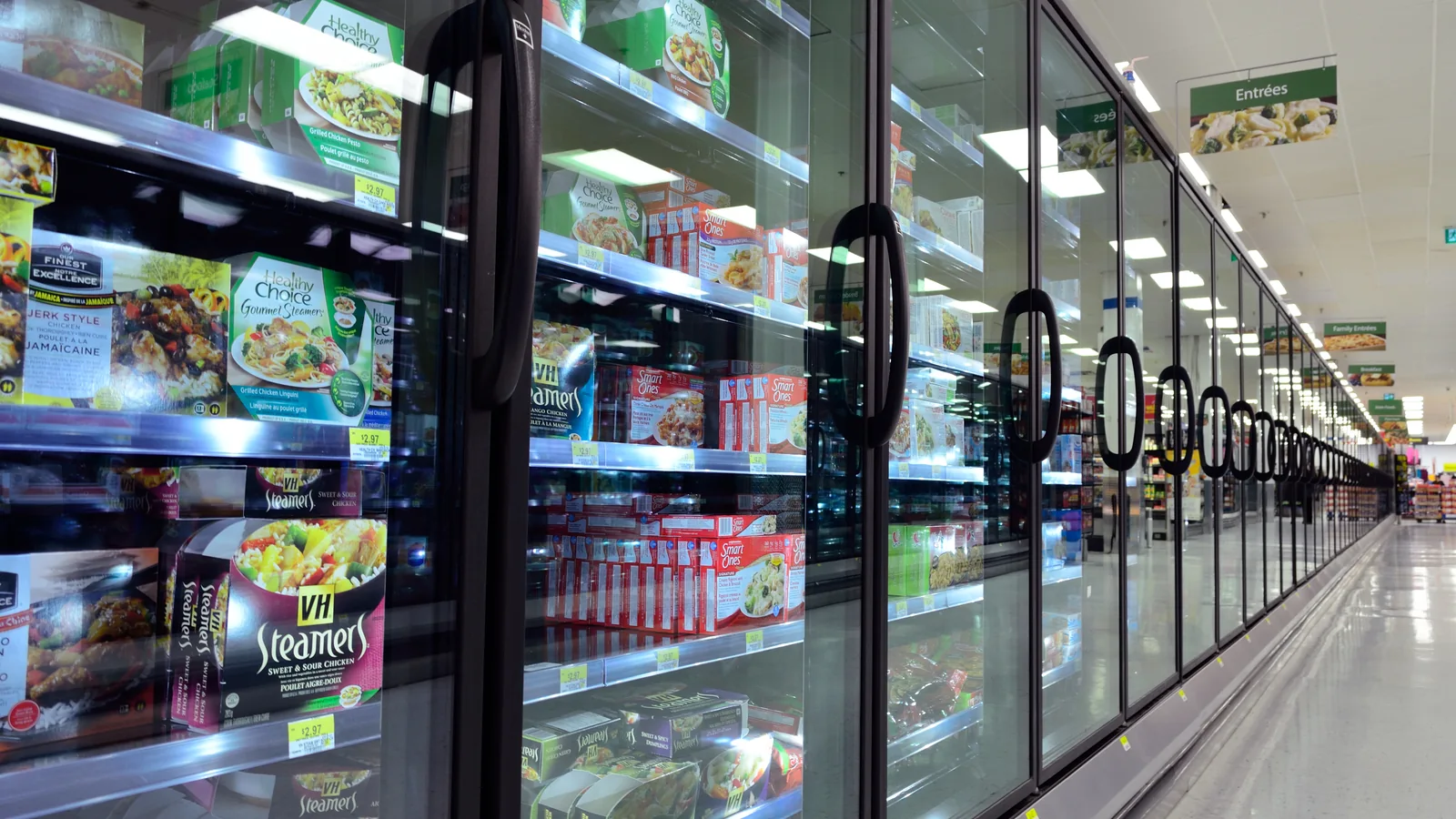
As of the verified reporting on Monday 2 November 2026, the latest refrigeration incidents had not been confirmed at a UK supermarket branch. This does not prove every British installation is secure, and the situation may change. The Times separately reported effects involving a small number of UK meat suppliers, which must not be conflated with a confirmed outbreak at Tesco, Asda, Morrisons or Sainsbury's stores. The useful distinction for British shoppers is between reported European retail outages, possible domestic equipment exposure and an actual local store incident. No UK-wide food safety alert is established by the evidence checked.
What happened across Europe?
On 2 November, retailers in Belgium, Luxembourg, Sweden and the Republic of Ireland reported unexpectedly rising fridge and freezer temperatures. Reuters reported problems at Delhaize stores, Swedish chains ICA and Coop, and 13 SuperValu stores in Ireland. Some operators removed chilled and frozen products as a precaution. AP also described affected businesses in Estonia. Different chains reported different numbers of stores and recovery stages, so a single continent-wide total should not be treated as final. A malfunctioning refrigeration controller is not proof that the company's customer accounts, tills or payment systems were also breached.
Why is a cyberattack suspected?
Several operators described unauthorised interference with connected temperature or defrost controls, similar to problems reported at French supermarkets in October. Other companies initially used the broader term IT incident while investigating. The distinction matters: a temperature anomaly can be verified before investigators determine exactly how it happened. No credible source reviewed established the identity of a single attacker behind every incident. Speculation about foreign states, ransomware groups or coordinated campaigns should not be repeated as confirmed attribution. Readers should watch for statements from affected companies and national cyber authorities rather than anonymous social-media claims.
Were any Northern Ireland stores hit?
Reports of 13 affected SuperValu branches refer to the Republic of Ireland, not Northern Ireland. The Republic is a separate country and those incidents should not be presented as 13 UK supermarket attacks. No confirmed Northern Ireland branch was identified in the sources reviewed. People in Belfast, Derry and elsewhere should consult announcements from their own retailers for any local disruption. This geographic distinction is particularly important when headlines say 'Ireland', since the same retail brand may operate across different jurisdictions. A lack of public reports is not a permanent guarantee of zero incidents.
What does the UK exposure research show?
The Grocer reported in October that UK Cyber Defence research found more than 800 internet-reachable refrigeration or related building-control interfaces associated with British retailers. That number is about potential access paths, not 800 hacked shops, spoiled cabinets or compromised customers. A visible login interface is not necessarily vulnerable, and exposure does not establish exploitation. Nevertheless, retailers should check whether remote-maintenance equipment is appropriately protected and whether obsolete controllers can still receive security updates. Businesses should evaluate their own supplier arrangements and technical inventories rather than infer an individual site's risk from a national estimate.
Why internet-connected fridges need security
Commercial refrigeration systems often connect to monitoring services so engineers can detect faults, adjust settings and respond before stock is damaged. Remote access can improve reliability when managed carefully. The same connectivity creates risk if administration services are exposed to the public internet, passwords are weak or firmware is unsupported. The UK National Cyber Security Centre recommends understanding operational-technology assets, limiting exposure, managing third-party access and using secure, monitored connections. Disconnecting equipment indiscriminately could disable essential temperature alarms; any isolation should be planned with qualified engineers and food-safety staff.
What UK shop owners should check today
Retail operators should inventory refrigeration controllers and the suppliers authorised to connect to them, confirm that remote-access accounts use appropriate authentication and check which devices are unsupported. They should review internet-facing management ports, segment operational equipment from office systems and test independent temperature alarms. NCSC guidance encourages organisations to prepare an isolation plan and monitor external connectivity. Store managers also need a clear procedure for escalating suspicious temperatures to refrigeration engineers, cyber responders and food-safety leads. These are preventive steps, not evidence that any particular UK shop has been attacked.
Is supermarket food still safe?
The European incidents do not make all chilled or frozen food unsafe. Safety depends on the actual temperature history of each product, the time involved and the retailer's handling decisions. The Food Standards Agency recommends fridge temperatures of 5°C or below and explains that many foods requiring chilling must legally be stored below 8°C by food businesses in England, Wales and Northern Ireland. Frozen products are generally kept around minus 18°C. These figures guide storage practice; they cannot alone establish whether an individual item remained safe following a breakdown. Retailers should assess and withdraw affected stock according to their food-safety procedures.
What if a freezer cabinet looks too warm?
If frozen food is unexpectedly soft, a cabinet feels warm or a product appears to have thawed, notify shop staff and choose another item. A customer cannot reliably reconstruct a product's cold-chain history from the cabinet display or packaging alone. Do not assume refreezing removes every food-safety risk. Follow any product withdrawal or recall notice issued by the retailer or Food Standards Agency. Shops may remove goods before an investigation is complete, which is a precaution rather than proof that every item was contaminated. Avoid spreading unverified claims about entire supermarket chains based on one photograph.
Will UK groceries become more expensive?
The incidents have caused local stock withdrawals and potential losses for affected European businesses, but there is no verified evidence of a UK-wide shortage or general grocery price increase resulting from this November wave. UK food prices depend on numerous factors including suppliers, contracts, energy, transport and demand. An affected European branch may restock without disrupting the wider network. Shoppers should not stockpile refrigerated goods on the basis of alarming online claims. A responsible update would need evidence of specific UK supply-chain effects, not merely a projection from a foreign store's losses.
How this differs from the French incident
The new reports follow a separate wave of French supermarket refrigeration incidents in October, when hackers were reported to have changed cooling settings and stores discarded food. That earlier case helps explain why engineers and regulators are paying attention to exposed controllers. It does not prove that every November incident had the same entry point, the same operator or the same consequences. Equipment models, maintenance contractors and network designs vary. Investigators may eventually identify connections between cases, but such conclusions should come from verifiable technical findings rather than assumptions based on similar symptoms.
What is confirmed and what remains unknown?
Company statements and reporting by Reuters and AP support the existence of refrigeration disruption at named European retailers on 2 November. The exact total number of affected branches, complete financial losses, technical intrusion path and perpetrator identity were not fully established in the material reviewed. The Guardian reported no UK supermarket incidents confirmed at that stage, while separate reporting raised questions about UK supplier exposure. Those facts can coexist without contradiction. Any later verified UK incident should be added with its own date, location and source rather than silently rewriting the original reporting.
Practical advice for UK shoppers
Continue normal shopping unless your retailer issues a specific warning. Check the condition of chilled and frozen products, speak to staff about suspicious cabinets and consult official withdrawal notices. Businesses should use NCSC operational-technology guidance alongside food-safety controls, including independent temperature monitoring and a tested incident response process. Neither a social-media rumour nor a foreign incident justifies saying all UK supermarket food is dangerous. This article reflects evidence available on 2 November 2026 and should be updated only when new verified facts materially change the answer.
Frequently asked questions
Have Tesco, Sainsbury's, Asda or Morrisons been confirmed as hit by this wave? Not in the sources checked for this report. Were 13 UK SuperValu stores affected? No: the cited 13 were in the Republic of Ireland. Does a freezer fault prove a data breach? No; the refrigeration and customer-data systems require separate evidence. Can food become unsafe after warming? Yes, depending on its time and temperature history, which retailers must assess. Has an attacker been identified? No verified attribution was established in the reporting reviewed.
Sources and further reading
- Reuters — European retailers hit by supermarket fridge hack, 2 November 2026
- AP — Supermarket freezers hit by apparent cyberattacks, 2 November
- The Guardian — UK supermarket status and European incidents, 2 November
- The Grocer — UK refrigeration-controller exposure research, 13 October
- UK NCSC — Limit operational-technology exposure
- UK Food Standards Agency — Chilled-food storage temperatures