
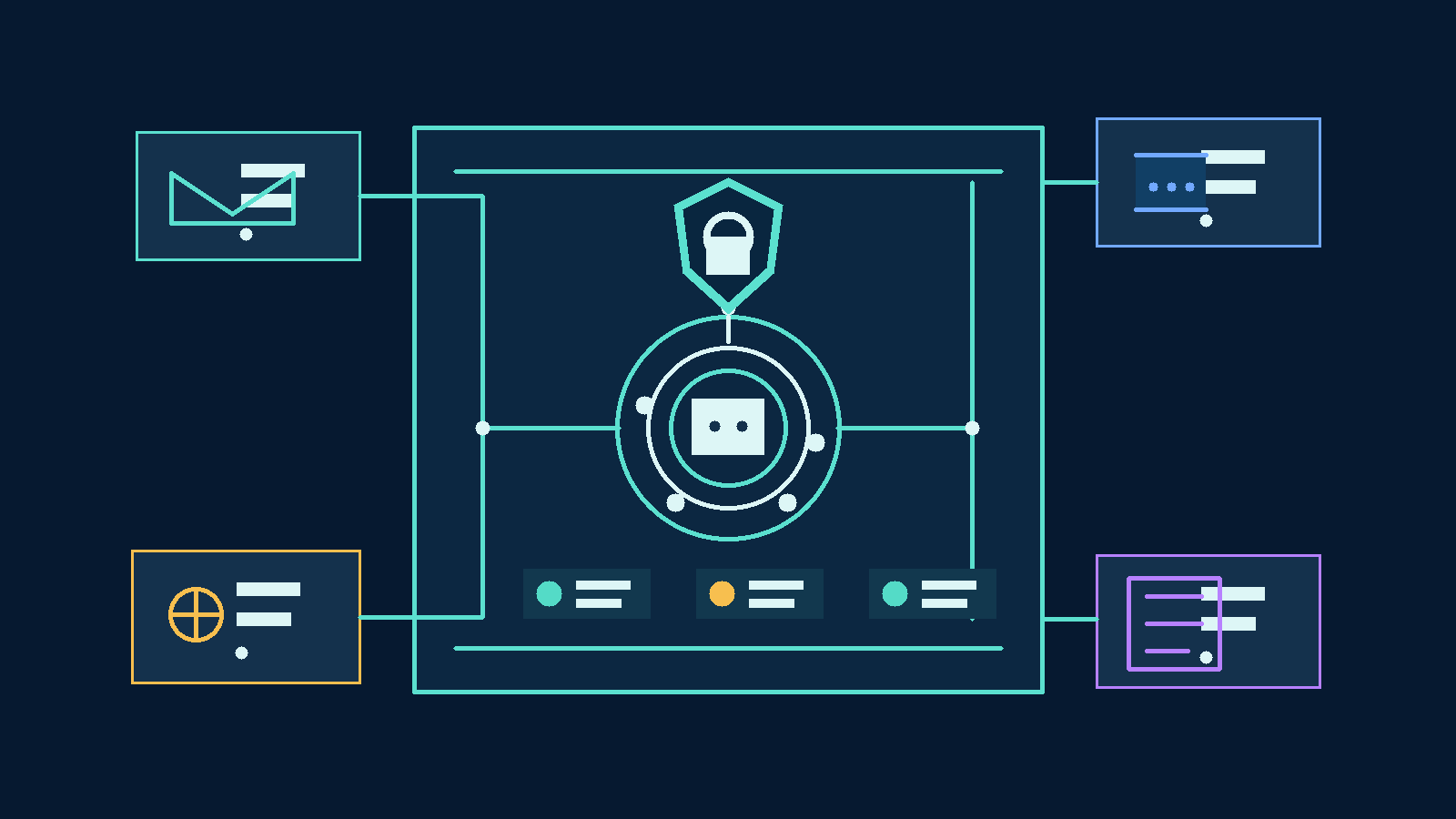
What Muse is designed to do
Meta introduced Muse as a personal AI agent rather than a chat-only assistant. Its stated purpose is to plan and carry out tasks such as sending email, booking travel, organizing information and acting across services a user chooses to connect.
How permissions and sensitive actions work
According to Meta, Muse runs inside a dedicated Muse Secure VM. Users choose which services it can access and what actions are allowed. Meta says Muse asks for confirmation before sensitive actions such as sending an email or making a purchase, and provides an audit trail of completed and planned actions.
What changed at Meta Connect 2026
At Connect 2026, Meta announced additional Muse connectors, Mac computer-use capabilities and plans to bring Muse to its AI glasses. These announcements expand the surfaces where Muse can act, but some features remain staged rollouts rather than universally available functions.
What users should verify before relying on Muse
- Check whether Muse and the specific connector are available in your market.
- Review each connected service's permission level before allowing write or purchase actions.
- Treat Meta's privacy and security descriptions as first-party claims and review independent evidence as it becomes available.
- Confirm sensitive actions before execution and use the activity history to audit what the agent did.
- Re-check availability and feature scope because the rollout is changing quickly.