
Bonfire Night 2026: the date, the curfew and what to check first
Bonfire Night falls on Thursday 5 November 2026. In England and Wales, the usual ban on setting off fireworks between 11pm and 7am has a Bonfire Night exception extending the cut-off to midnight. That is not permission to use fireworks in a street, park or other public place: those restrictions still apply. Scotland has additional rules on permitted hours and local Firework Control Zones, while Northern Ireland requires a licence for most consumer fireworks. Before buying anything, check your nation’s rules, your council’s notices and whether an organised display would be a safer choice.
Why the biggest displays are not necessarily on Thursday 5 November
The calendar date and the event date are different questions. Some venues stage their shows on the following weekend because families and visitors can attend more easily. For example, Alexandra Palace in north London advertises its Fireworks & Drone Festival for Saturday 7 and Sunday 8 November, with tickets advertised from £11.50 on its official event page. By contrast, Weymouth Town Council confirms its beach celebration for Thursday 5 November. A search for 'fireworks near me' is therefore incomplete until you check the organiser's actual date, start time, booking requirements and weather policy.
Two confirmed 2026 examples: London and Weymouth
Alexandra Palace lists a two-day fireworks and drone festival in Alexandra Palace Park on 7–8 November, with Saturday billed as a larger evening and Sunday aimed more at families. The organiser's page is the authority for tickets, admission and any late changes; do not assume the gates-open time is the fireworks start time. In Dorset, Weymouth Town Council's 27 October update says traders and fairground activity begin from 5pm on 5 November, a drone display is scheduled for 7.15pm, the beach bonfire for 7.40pm and fireworks for 8pm. These are examples, not a complete nationwide events directory.
What time must fireworks stop in England and Wales?
The UK government’s published consumer-fireworks guidance gives an 11pm-to-7am restriction on ordinary nights and a midnight cut-off on Bonfire Night. The later 1am exceptions apply to New Year’s Eve, Diwali and Chinese New Year, not to 5 November. Adult fireworks, generally categories F2 and F3, cannot be bought by under-18s; category F4 is for professionals. It is illegal to set off or throw fireworks, including sparklers, in streets and other public places. Local restrictions and event-specific conditions can still matter, so consult your council and do not treat a midnight cut-off as an entitlement to disturb neighbours until midnight.
Scotland: private-firework hours and Firework Control Zones
Scotland's rules are not identical to the general England-and-Wales summary. Scottish Government guidance says members of the public can normally use adult fireworks in private places only between 6pm and 11pm, extended to midnight on 5 November. A designated Firework Control Zone can prohibit consumer fireworks even on private property, subject to specific exceptions. Edinburgh publishes information on its control zones, and the correct answer for any Scottish postcode depends on the current council map. Do not buy fireworks on the assumption that a garden is automatically an unrestricted location.
Northern Ireland: a licence is usually required
Northern Ireland is particularly important to check separately. NI Direct states that a valid fireworks licence is required to buy, possess or use fireworks other than indoor fireworks and sparklers. The Department of Justice said applications for Halloween 2026 displays had to be received by 16 October. If you do not already have the appropriate licence, do not assume that the rules for a garden display in England apply in Belfast or elsewhere in Northern Ireland. An organised, authorised event may be the more practical option. Always verify the specific licence and retailer requirements with NI Direct.
When can you buy fireworks and what should you inspect?
In England, Scotland and Wales, registered retailers can sell fireworks for private use during the seasonal window from 15 October to 10 November, with different licensing requirements for sales outside designated periods. Buying from a legal retailer is not the same as permission to use them anywhere. Check age limits, product category, safety markings, manufacturer's instructions, the recommended minimum spectator distance and whether your outdoor space can actually meet it. Do not use professional-only products, unknown imports or fireworks that appear damaged. Northern Ireland has its own licensing regime for purchasers and retailers.
A safer plan for families, children and pets
London Fire Brigade recommends attending an organised public display rather than arranging your own. If attending with children, choose a viewing area away from the firing zone, plan an exit and bring hearing protection for anyone sensitive to loud noise. Sparklers are not harmless: the brigade advises against giving them to children under five, recommends gloves and says used sparklers should go into a bucket of cold water. For pets, arrange an indoor quiet space, close curtains and avoid leaving animals outside during the display. Neighbours, livestock owners and people affected by sudden noise also deserve advance consideration.
If you are hosting a private display, follow the Firework Code
Only a responsible adult should handle fireworks. Read each product's instructions in good light, follow the specified safety distances and light one firework at a time at arm's length before standing back. Keep spectators and children out of the firing area, keep water available and never return to a lit firework that appears not to have gone off. Do not put fireworks in pockets, throw them, or use petrol or paraffin to start a bonfire. Keep any bonfire under adult supervision until fully extinguished. The safest choice remains a properly organised display with trained operators.
How to compare displays without wasting a journey
Start with an official organiser or council listing rather than an unverified social post. Confirm the exact date, venue entrance, ticket validity, gates-open time, fireworks time, accessibility arrangements and whether the display is low-noise or family-focused. Check whether tickets are refundable if weather changes the programme. Then examine public-transport service alerts, parking restrictions and the walk back after the event. A free event is not necessarily cheaper if travel and parking are expensive; a nearby paid display may be easier for a family. If a listing has not been updated for 2026, treat last year's details as unconfirmed.
Weather, cancellations and what to check on the day
Strong wind, rain, safety concerns or local decisions can change a fireworks programme, even when tickets have been sold. Check the organiser's own website and social channels on the day, rather than relying on an old event roundup. The Met Office forecast can help with clothing and travel, but only the organiser can confirm whether a particular display will proceed. Plan warm, waterproof layers and a safe journey home, especially for young children. For Weymouth's beach event, conditions near the seafront can feel different from inland weather; for a London park, check the site's entry and transport guidance.
Quick answers to common Bonfire Night questions
Is Bonfire Night always on 5 November? Yes, the annual commemoration is on 5 November, but public displays may be on other dates. Is midnight the usual fireworks curfew? No: midnight is a specific Bonfire Night exception; the ordinary cut-off in England and Wales is 11pm. Can you use fireworks in a public park? Generally no, unless it is a properly authorised public display. Do you need a licence in Northern Ireland? For most consumer fireworks, yes. Is a large London event happening on 5 November? Do not assume so: Alexandra Palace's confirmed 2026 dates are 7–8 November. Check the organiser's official page before travelling.
Sources and how this guide is maintained
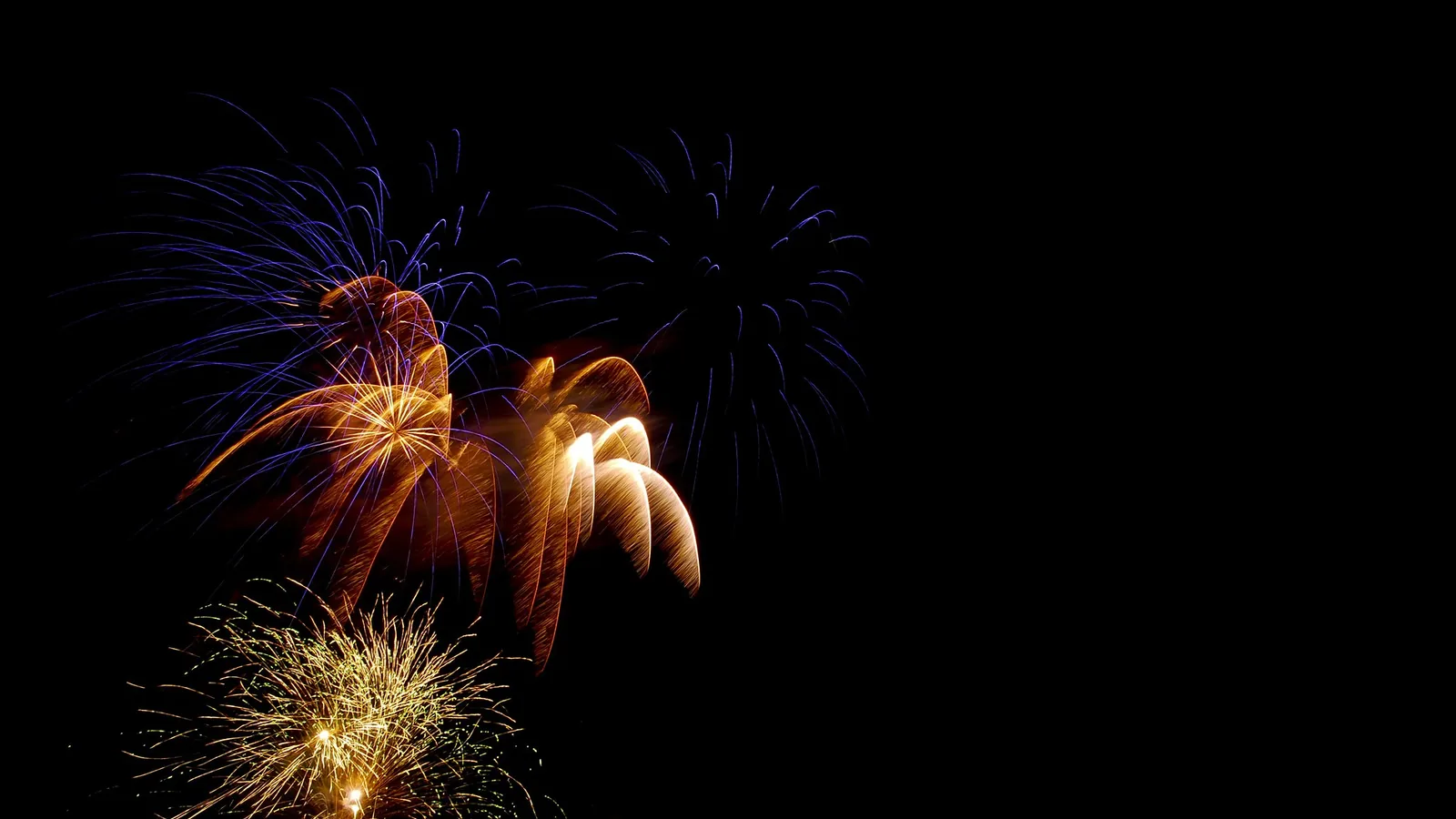
This guide distinguishes legal rules from individual event schedules. The UK government's fireworks law page, Scottish Government rules and NI Direct cover the different jurisdictions. London Fire Brigade provides safety guidance. The Alexandra Palace festival page and Weymouth Town Council's 27 October 2026 announcement supply the named event dates. These are verified as of 2 November 2026; organisers can change programmes, so confirm them before booking or setting off. The accompanying photograph is a generic archival fireworks image, not a photograph of any 2026 UK event.
Sources and further reading
- GOV.UK — Fireworks: the law
- Scottish Government — Using fireworks
- NI Direct — Fireworks licensing and law, updated for 2026
- London Fire Brigade — Fireworks safety
- Alexandra Palace — Fireworks & Drone Festival 7–8 November 2026
- Weymouth Town Council — Countdown to 5 November 2026
- Wikimedia Commons — Fireworks display at night.jpg, CC0 1.0